Editor's Note: In recent years, Right Plus has been running the "Experience Amplifier" writing project, inviting individuals from diverse backgrounds to reflect on their experiences and share their own stories. Our goal is to bring understanding and visibility to social circumstances that are often overlooked.
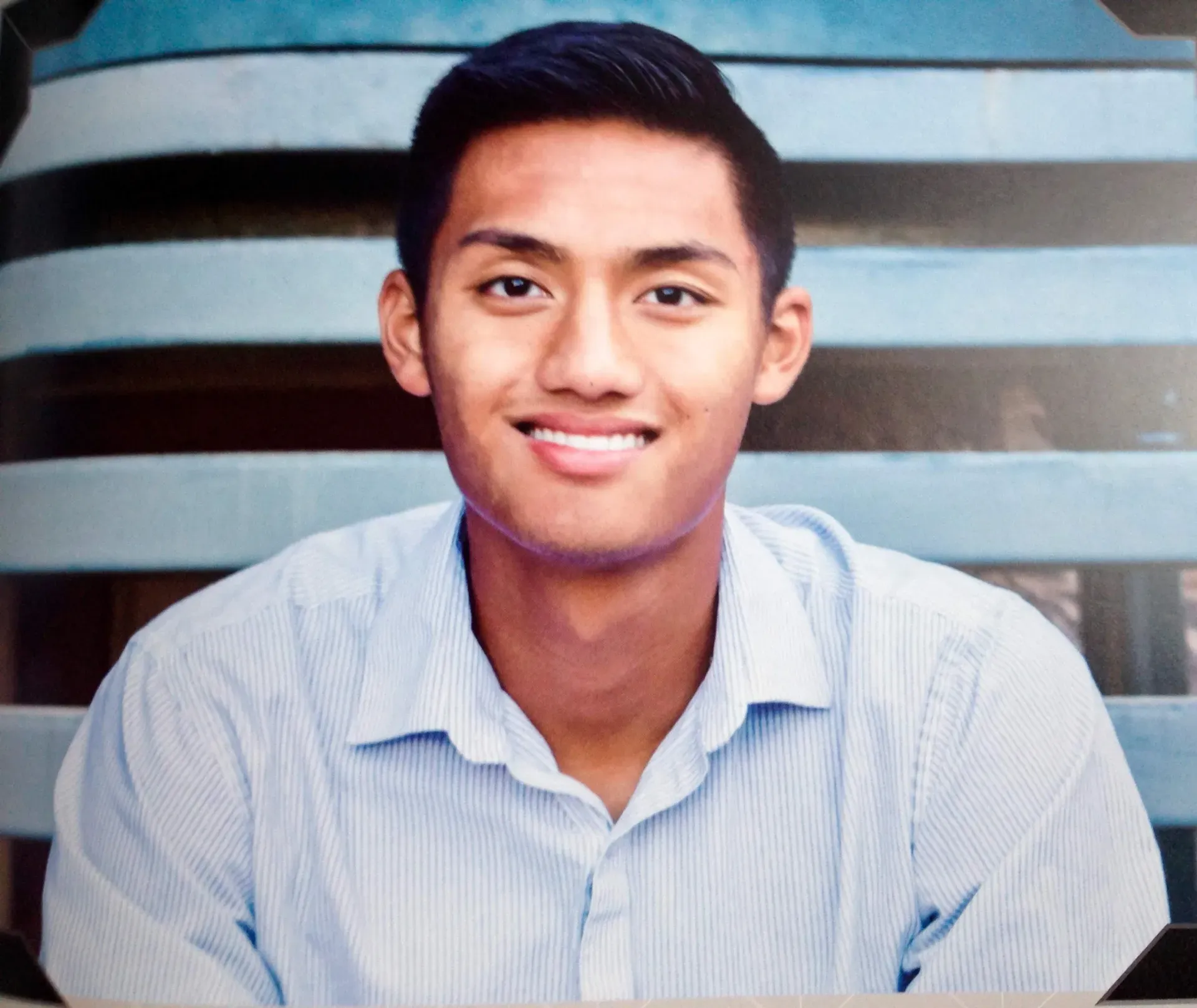
This piece was originally authored in English by 28-year-old Alan Harris (賈宏偉). Born in Taiwan, Alan was adopted into the United States at the age of six and now lives there with a stable career. However, having to face a strange new land and life at such a tender age, he navigated a journey filled with frustration and conflict.
In this first installment (Part I), Alan recounts the day he arrived in the U.S. from Taiwan at age six, capturing the mix of curiosity and fear he felt. He reflects on his efforts to make friends and fit in at school, while candidly describing his internal struggles and the complex contradictions in his relationship with his adoptive parents, offering readers a glimpse into the inner world of a transnational adoptee.
In Part II, Alan returns to Taiwan at age 21 to meet his birth mother. He recounts his journey back to the island and the emotions surrounding their reunion, reflecting on the profound impact of their reunion and how it has shaped his understanding of who he is today.
Written by/Alan Harris Translated and Edited by/Alpha Bridge Agency, Right Plus
My name is Alan Parker-Wei Harris (賈宏偉). I was adopted at the age of six on January 5th, 2003, from Taoyuan, Taiwan. Sharing this story is something I love to do—not just because it's my personal history, but because it's a powerful testimony of who I am and how deeply God has blessed me throughout my life. It's a story of grace, change, growth, and identity.
My life began with a young girl, a 15-year-old birth mother who brought me into this world. Being so young, barely stepping into adulthood herself, I can only imagine how overwhelming it must have been for her to take care of a child.
Life was not easy, and even though I didn't fully understand it at the time, I could sense the weight she carried. When I was around five years old, I started noticing how hard she was working to make ends meet and how she struggled to balance work and motherhood.
She tried her best, but the strain showed. Eventually, she realized that she couldn't provide me with the kind of life she hoped I'd have. As difficult as it must have been, she made the selfless decision to place me in an orphanage, giving me a chance to be adopted and grow up with more opportunities.
Several families and individuals expressed interest in adopting me. In the middle of all these inquiries and possibilities, God was already orchestrating something special. He brought a family from Ohio, USA, the Harris family, into the picture. They would become my new family, my new home, and the beginning of an entirely different chapter of my life.
The Day I Was Adopted: Where Is America? Is This a Vacation?
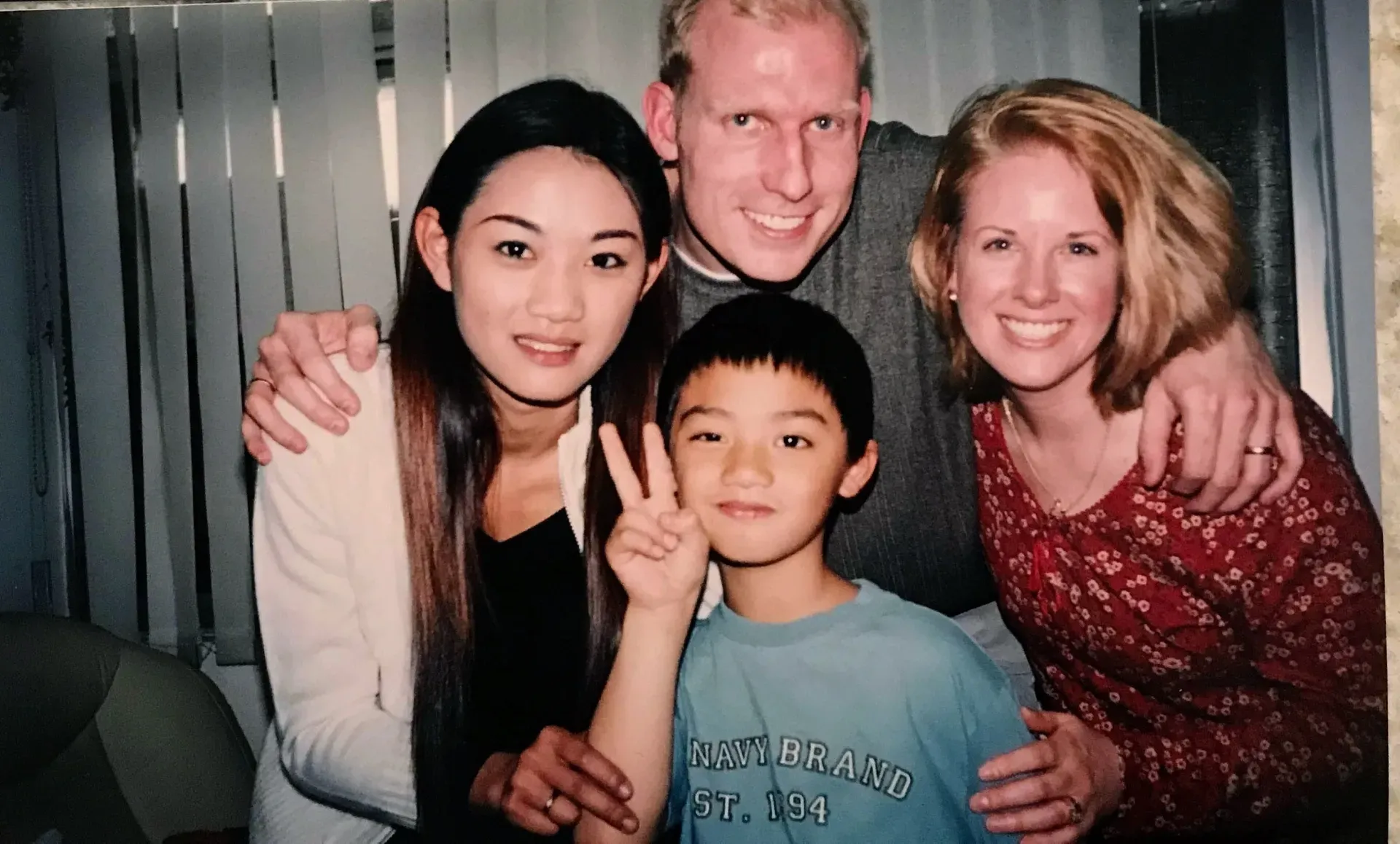
I remember the day of my adoption clearly. I was in the same room with my birth mother and the two people who were about to become my new parents. I couldn't fully grasp the significance of the moment, but I could feel the tension and emotion in the air.
My birth mother didn't seem overly emotional or upset. I think that was her way of protecting both herself and me from the pain of separation.
I remember staring at these two foreign-looking people who didn't speak my language. The adults were talking, and from their expressions and the fragments I understood, I realized I was going somewhere far, to a place called America.
Questions swirled in my mind: "Where is America?" "Why am I going there?” "What's going to happen to my birth mom?" "Who are these people?" "Is this a vacation?"
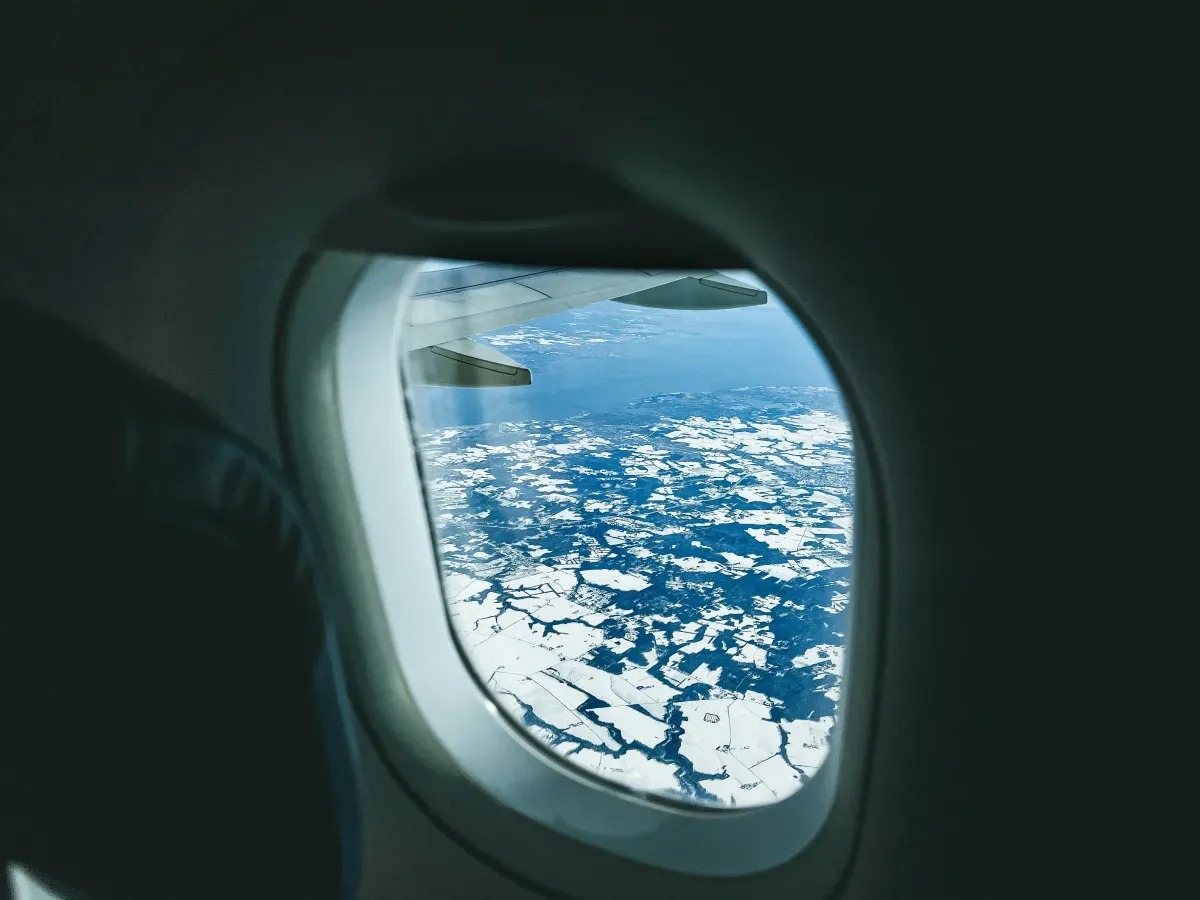
Arriving in the US by plane, I wondered, "Is this a vacation?" Illustrative image/Prasad Panchakshari on Unsplash
Even with all those questions running through my head, there was also a childlike excitement about going somewhere new. The unknown was scary, but also a little bit thrilling. That mix of curiosity and fear defined much of my early transition.
When we landed, I was introduced to my new grandparents on my mom's side. That was my first real welcome into this brand-new world. As I started settling into my new life, I was introduced to more family members and began attending school. I tried to approach everything with wide-eyed wonder, often saying, "Wow! Oh, so cool!" That became my go-to reaction.
I was genuinely amazed by how large everything seemed. The supermarkets were enormous—Walmart alone felt like a city.
And then, there was snow. I had never seen snow before, and watching it fall for the first time was nothing short of magical.
I was so enamored with the newness of my surroundings. New people, new houses, new stores, new food, new smells, and so many more things made every day seem like an adventure. As I mentioned, I truly believed it was a vacation.
At Six, I Didn’t Want to Be Different: Learning English, Adapting, and Craving Acceptance.
Despite the awe and wonder, I was still working hard to adapt.
At six years old, I was in that stage where kids are beginning to express themselves, discover their interests, and form ideas about the world. But for me, that stage of life was clouded by confusion.
There was definitely an overwhelming sense of not knowing how to process everything.
I felt a whirlwind of emotions. I was anxious, exhausted, and completely unsure of my surroundings. I acted like everything was okay, but inside I felt a bit broken—lost.
At the same time, even though I was still young, I had already learned to depend on myself in many ways. I carried a kind of maturity that helped me adapt, and I constantly tried to make others happy, especially the adults around me.
It became my way of coping. I wanted to blend in, not just survive, but be accepted.
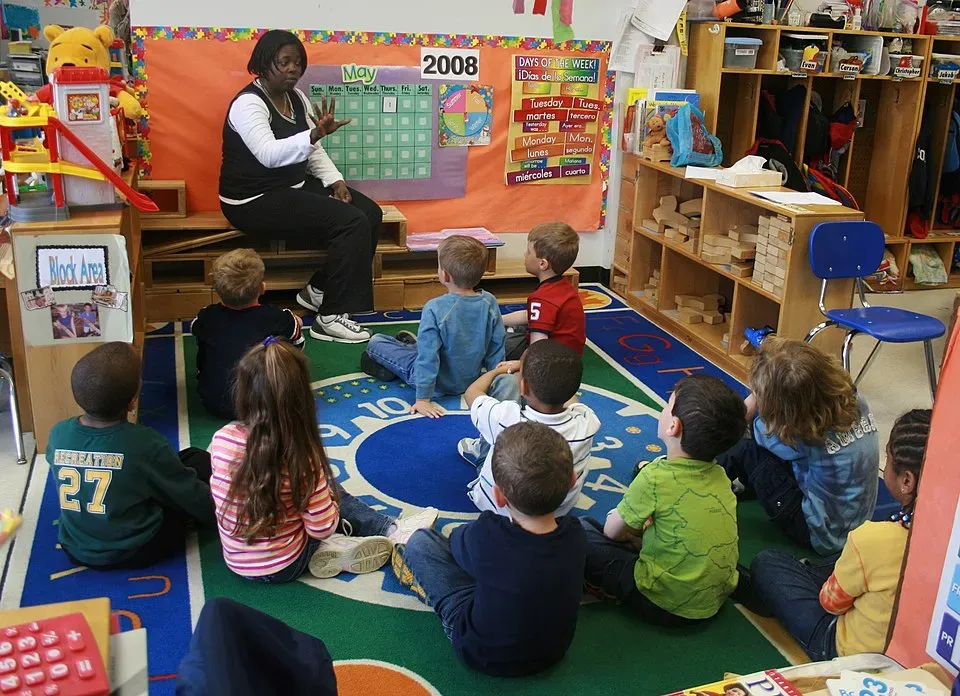
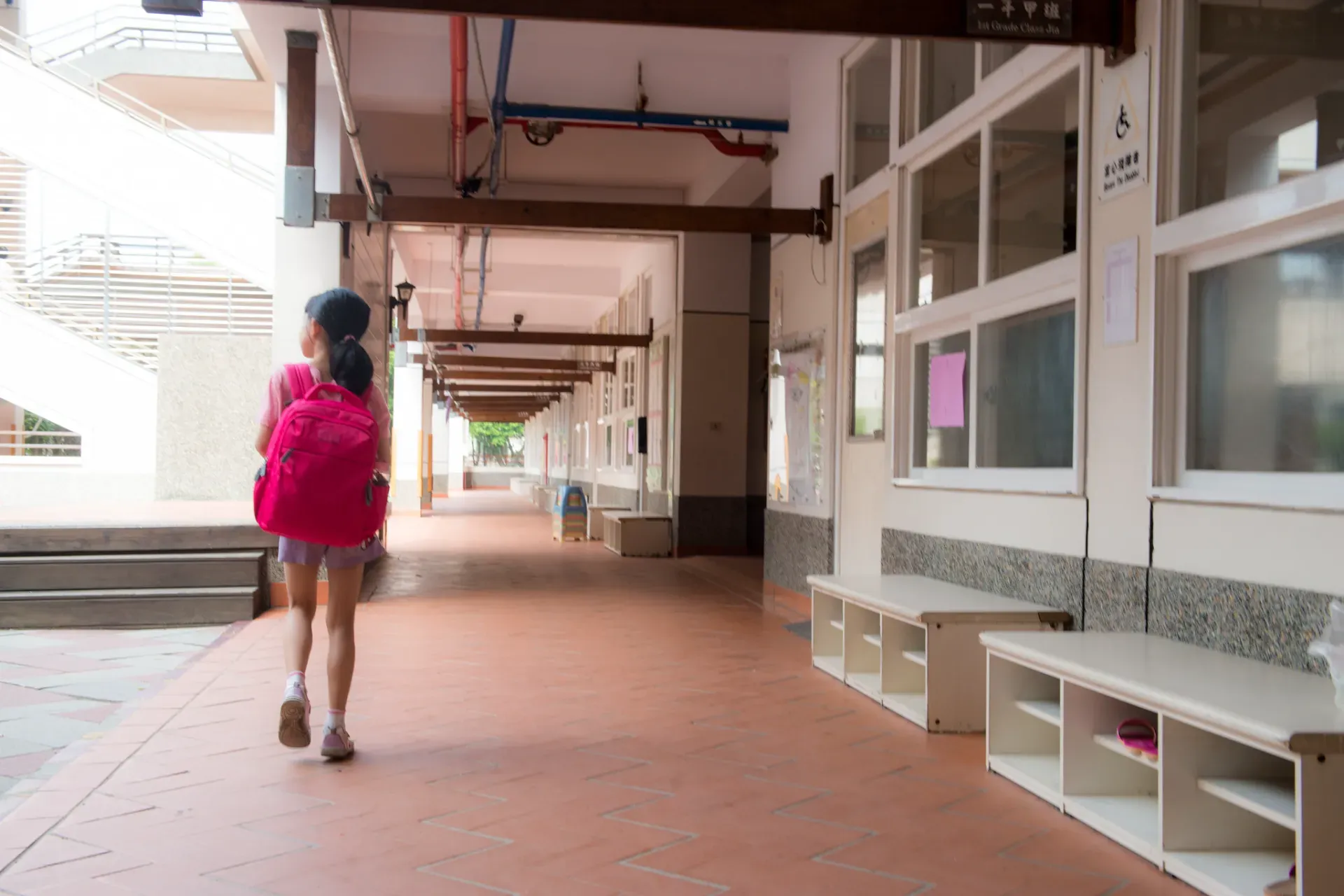
I think about my first day of kindergarten in the U.S. I was so nervous about going to school that I bolted right out the exit doors as soon as my mom brought me in through the entrance. She had to chase after me and eventually convinced me to stay, but only if she came with me into the classroom.
As soon as we walked in, I saw all these unfamiliar faces staring at me. I didn't see any other Asian kids, just a sea of faces that looked different from mine.
I still laugh when I think about my first day of kindergarten in the U.S., even though it was terrifying at the time.I couldn't understand much of what the teacher or other kids were saying, and that's when I truly realized:I was different. I didn't belong—at least not yet.
I recall my first day of school in the United States, facing rows of unfamiliar faces all by myself... Illustration/@Wikimedia Commons
Thankfully, my adoptive mom did everything she could to help me learn English. We watched movies together, and my little sister would walk around the house pointing to objects and saying their names in English so I could learn more quickly.
My parents even found a Mandarin tutor to help me retain my language skills. But I remember quickly defaulting to English in those sessions. I didn’t want to stand out. I didn't want to seem different.
I believe deep down inside, I was running away from myself. There was pain, loss, and anger from the adoption that I tried so hard to forget. All I desired was to experience this one feeling—belonging.
This fear of being different is something almost every child experiences, whether adopted or growing up in their biological family. Nobody wants to feel like an outsider or be the one who doesn't belong.
I wanted so badly to fit in with everyone else. I remember always looking over my shoulder in class to see what other kids were doing and then copying them. For example, I would mimic how they asked questions about schoolwork.
Soon, I began to copy not only what the others were doing in class, but also learned how to interact with other students, such as joking around or playing sports.
I tried to talk about the same topics they were talking about, dressed in "cool clothes" like they did, asked for the new iPod or new Beats by Dr. Dre headphones, and even acted out like the other kids.
That's how I learned what was expected, what was normal. I believe at this age, a child's understanding of the world can be very innocent and easily influenced.
Although I began my first day of school shy and nervous, just like other kids, I gradually adapted to the environment. I quickly forgot my own fears and began making friends and enjoying the fun of learning, games, and art.
The Disconnect Caused by Adoption: Battling an Identity Crisis and Blaming My Parents for My Pain
As the years went on, I became more comfortable in American culture. I learned the language, made friends, and got involved in sports and church activities. I went on multiple mission trips1Author's Note: I participated in mission trips through my church in the U.S. We traveled to volunteer in many states, including New York, Pennsylvania, and Kentucky. The biggest trip I went on was to Haiti to serve. This time was meant to help others and to share the Gospel about Jesus.through my church that I grew up in. We spent a lot of time volunteering in childcare, city events, building homes, and serving at soup kitchens and hospitals.
I also participated in student ministry on campus. During our gatherings, we would have a time of worship. Worship is where we sing songs together to praise God and thank Him for all that He has done for us. At the time, I was the leader of the worship team, playing acoustic guitar and electric piano while singing.
These activities made me truly feel like I belonged. For a while, I even forgot I was adopted. I had so fully embraced my new life that my past in Taiwan felt like a distant memory—one that I wasn't sure I wanted to revisit.
I no longer desired to associate with my Asian culture. I began to feel a sense of disgust when I saw other Asians. At times, when I would see any bit of Asian culture, I would instantly hold a bad attitude.
The feeling of "disgust" was because I felt that being Asian separated me from everyone else. This was my own thought process. I believe those around me (my peers and friends) didn't feel like I was separated from them. I just felt that way because I looked different and my home life was different from others.
Things started to shift in middle school. That's the age when fitting in becomes everything. Kids focus so much on image, like having the newest clothes, the latest tech, the right shoes. I fell into that same trap. I wanted to be accepted, so I began chasing after material things.
My parents tried to remind me that these things don't last, that what really matters are the relationships you build and the kind of person you become. Still, I kept pushing for acceptance from my peers. I started sneaking around and keeping secrets. I became more short-tempered, more closed off.
This was the point when my relationship with my parents began to fall apart. In my eyes, they were the ones getting in the way of me experiencing belonging and acceptance from others. In reality, they were showing how much they deeply love me and desire to help me be successful in all that I do. This was the disconnect we were all unaware adoption would bring.
That old feeling of not belonging came back. My parents would ask me why I was angry, and I didn't have an answer. I really didn't know.
Looking back, I think it came from a deep insecurity about who I was. Was I Taiwanese? Was I American? I didn't know. I felt stuck somewhere in between.
I began projecting that frustration onto my parents. I just saw my parents as the cause of my insecurities, and that caused a huge strain in our relationship. Although the reality was that I was just hurting and confused about where I belonged.
I think most kids go through growing pains with their parents—that back-and-forth struggle between independence and guidance. But for me, being adopted added an extra layer of complexity. I blamed them for my own hurts and brokenness.
I blamed them because they were the ones who adopted me, but also the people I cared about the most. This dynamic is quite difficult to explain. I was lost and at times didn't know how to explain what I was feeling. I was completely confused about my identity.
This article is part of the "Experience Amplifier" column at Right Plus. These stories are not written overnight; they are the result of deep self-reflection by the authors, supported by the patient guidance and empowerment of our editorial team.
It takes immense courage and effort to articulate vulnerability. Right Plus isdedicated to this slow, collaborative process because we believe these stories are worth waiting for and worth being heard by you.
Your donation directly supports our non-profit journalism and empowers marginalized communities to speak out. If you believe in our mission and appreciateour work, please consider supporting us.