CHOICE
看更多編輯精選文章
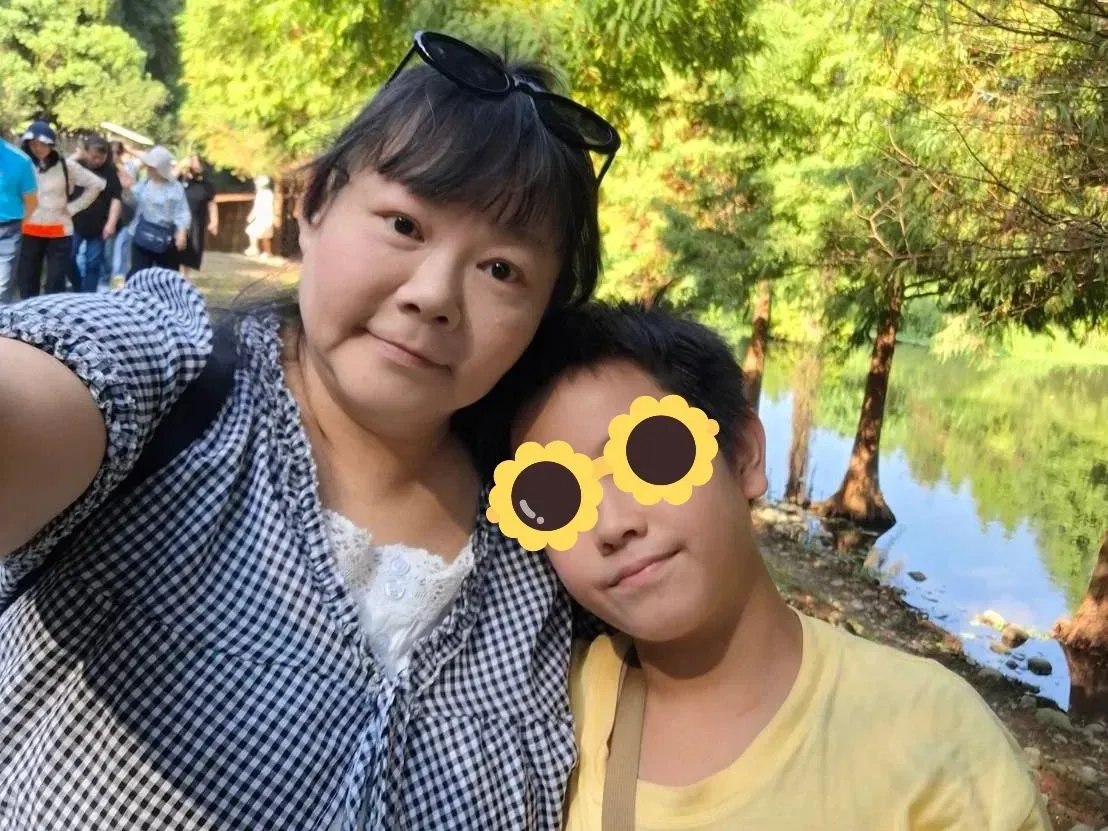
陳艶華/我是單親收養媽媽:曾被質疑、走過悲傷,現在我做自己想成為的母親
就是因為孩子並不是我們「親生」的,所以面對這樣一個真實的生命,更是要謹慎。出養機構的提問、要求不是不信任,是希望雙方都是奔赴幸福的路上而不後悔。於是我們就把這些都當成如同懷胎 10 月的身心不適感。
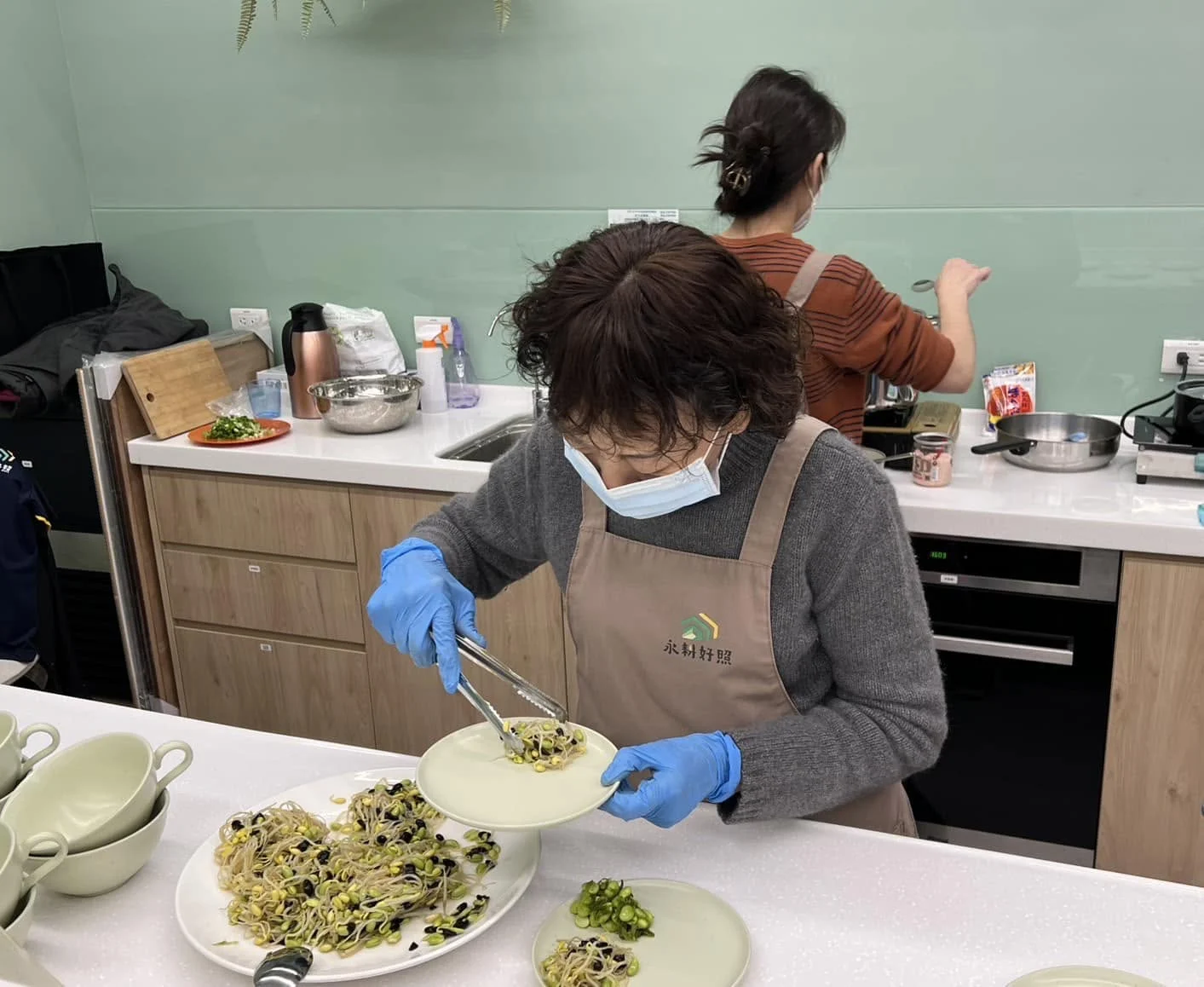
失智長輩和心智障礙者,如何真正生活在社區、自己決定喜歡的日常?
自立不代表凡事都要自己完成,而是能在適切協助下,參與生活中的各項決定。即使當事人尚未充分理解有哪些選項,也不能因此就否定他的選擇權:「自我決策是一種權利,而不是能力的問題。」
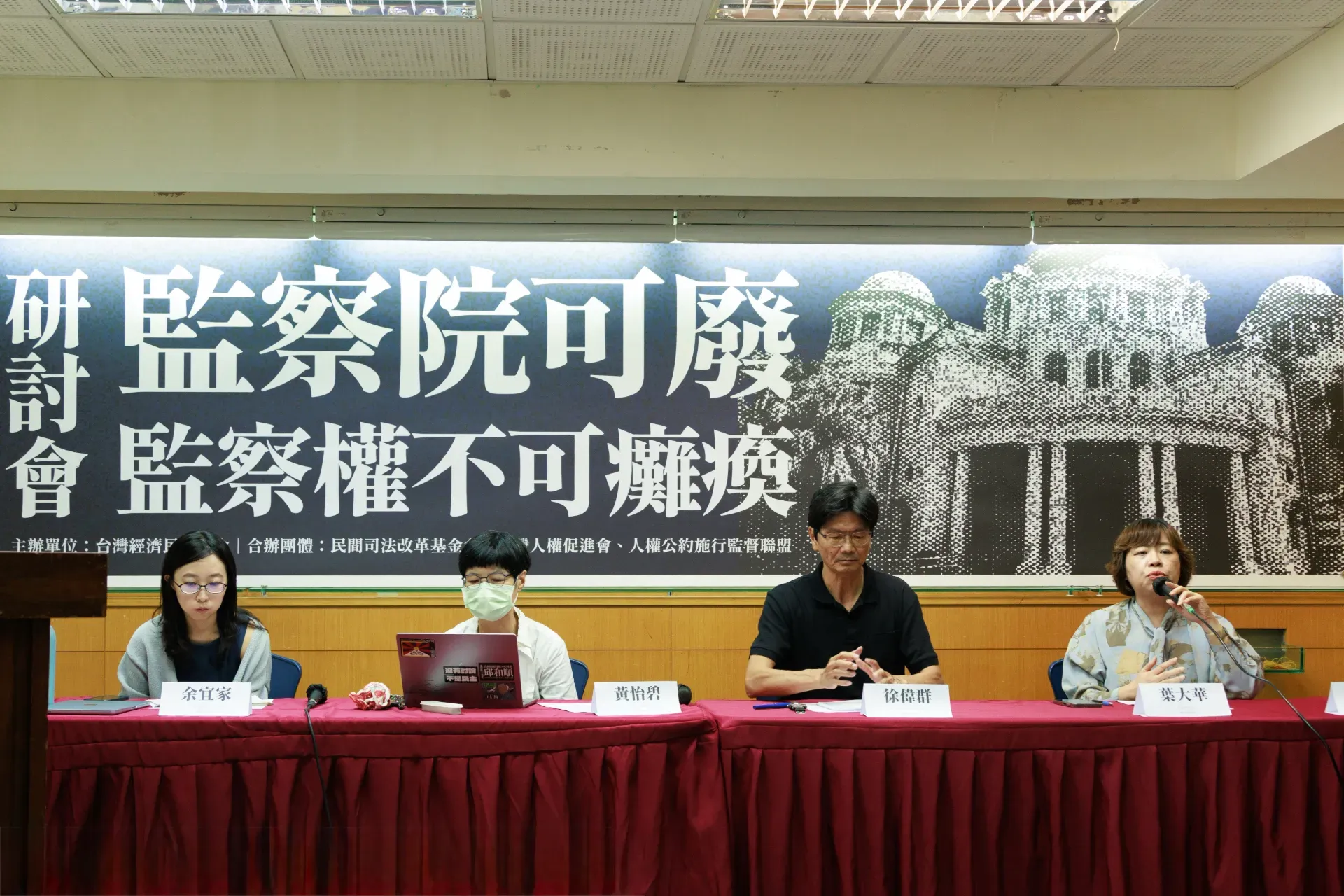
人權空窗?監察院存廢衝擊人權委員會運作,臺灣還有哪些保障機制?
對於人權會的發展,前人權委員葉大華認為,人權會應該逐步邁向獨立運作。因為監察權著重個案究責,人權機構則必須辨識系統性侵害、檢視政策並提出改革建議,但兩者功能與工作方法其實不同。
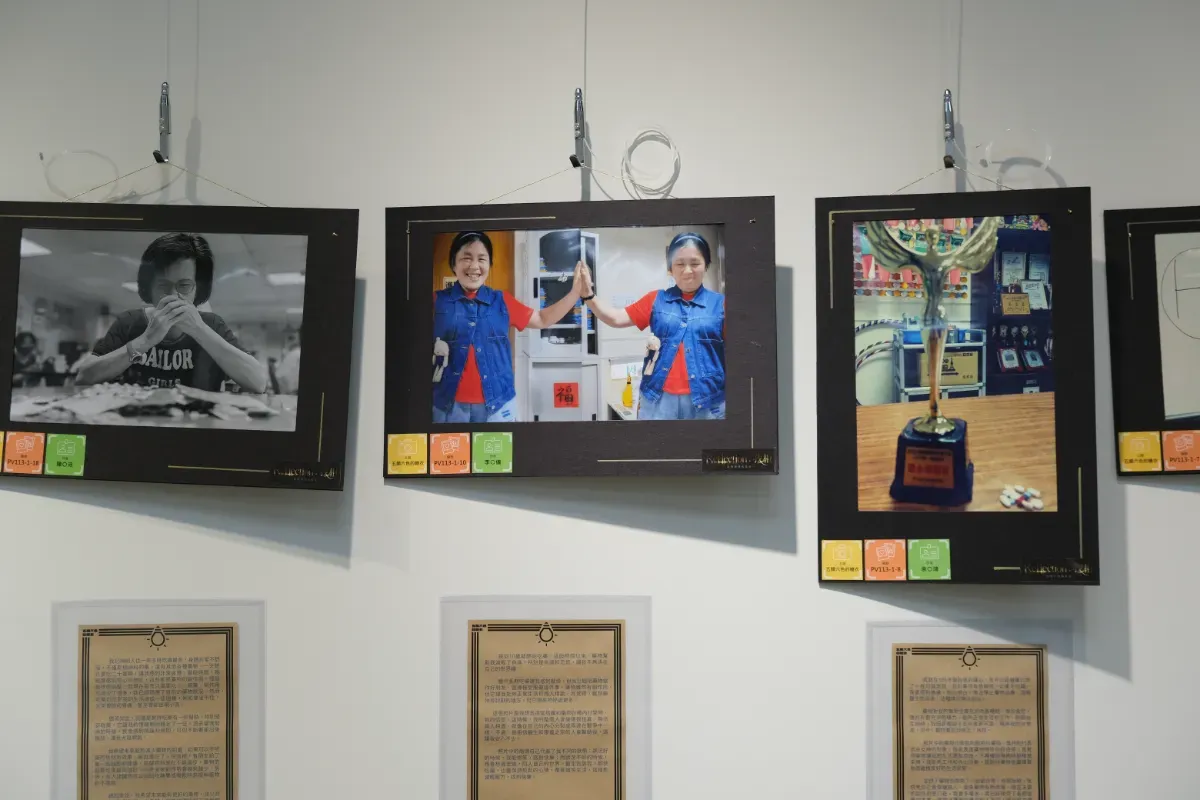
說故事的照片:服藥、幻聽、住院、想家,和疾病和平共處/蓮心康家成果展
這些作品不是為了證明精神障礙者「其實很厲害」。展覽主辦人蔡長勳說他更傾向將展覽稱為「照片故事展」而不是「攝影展」,因為無論是工作、學習、吃藥後的疲倦、幻聽、住院、想家,住民想說的生活經驗,都可以成為作品。
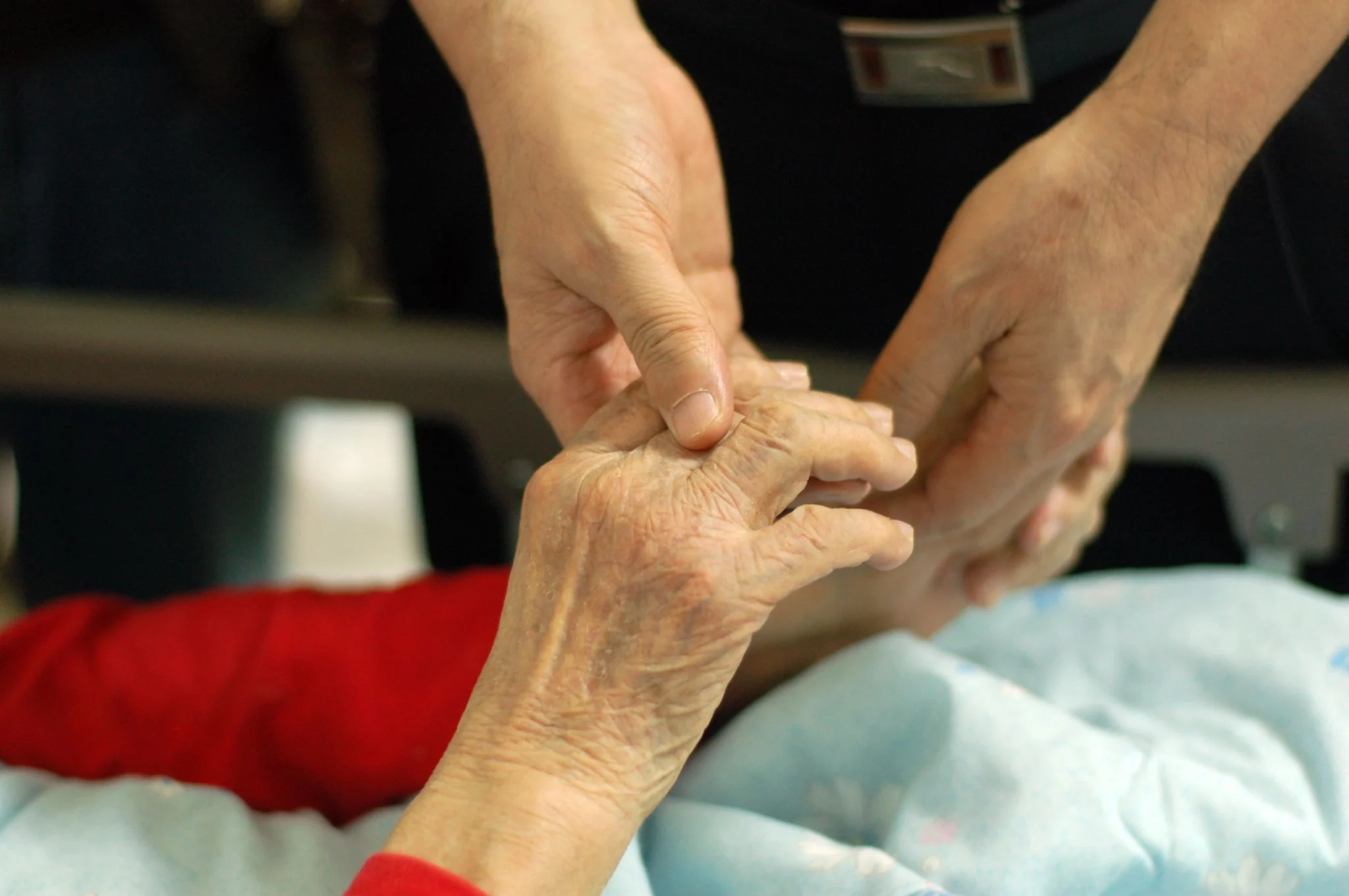
S先生/我是身心障礙者,也是照顧媽媽的人:我能做的,是陪她走完這段路
在照顧媽媽時我會有些困難,例如雙腳沒辦法久站,重心也不太穩。過去我幫媽媽重新申請身心障礙鑑定,也曾在醫療資源和制度上遇到問題,讓我憤怒又無奈。社工曾問我:「照顧媽媽壓力最大的是什麼?」現在我覺得是沒有錢。
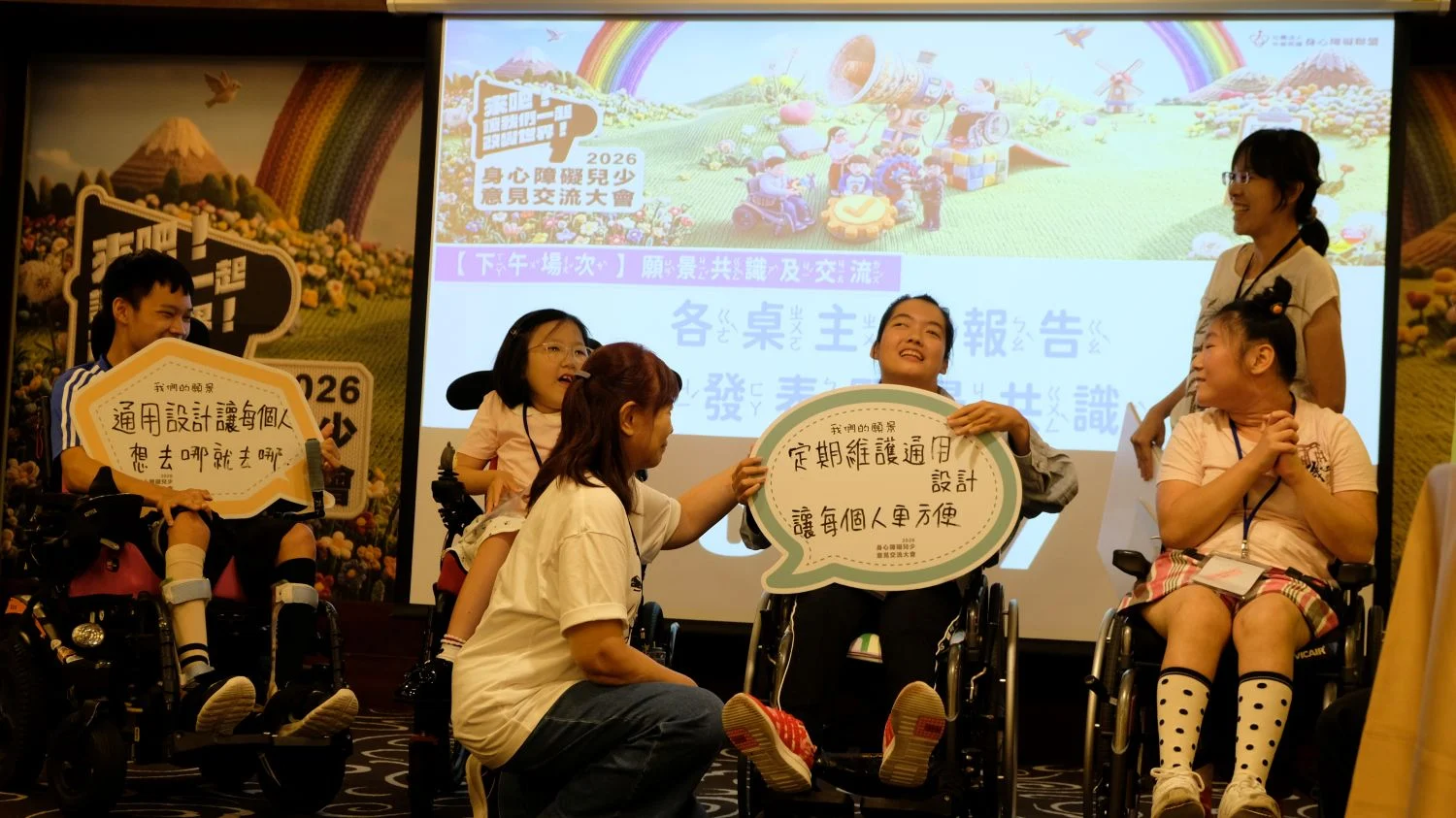
「大人的角度不等於事情的全貌」,一場由身心障礙孩子主動發起的交流大會
這場活動由孩子主動規畫,孩子說:大人和他們對話時,要說出彼此的心情與立場;希望人行道大一點、電影院的無障礙座位可以設在後面一點。希望在學校時,老師能跟其他同學說明身心障礙的需求,讓大家更認識我們。